EYELID SURGERY OVER CHRISTMAS AND WINTER
If you have been thinking about eyelid surgery, the colder months are one of the most practical times of year to have it. Time off is easier to arrange around Christmas and New Year, sun exposure is at its lowest, and cooler weather can make the recovery period easier to manage.
Below, Dr Swan Kang, Consultant Oculoplastic Surgeon at Moorfields Eye Hospital, explains why many patients choose winter for upper or lower blepharoplasty, what to expect, and how to plan ahead if you would like surgery before the festive season or early in the new year.
Recovery fits naturally around the holidays
The first one to two weeks after eyelid surgery are the part of recovery most people notice. You can expect some swelling and bruising, and you will be using antibiotic ointment and cold compresses as advised. Most patients find daily activities become comfortable fairly quickly, but healing continues beneath the surface for several weeks.
That is why the Christmas and New Year break works so well. Many people already have days off, fewer meetings and fewer commitments, so there is less need to explain time away or rush back to a busy schedule. Rest, which is exactly what your eyes need in the early days, is easier to come by when the rest of the world slows down too.
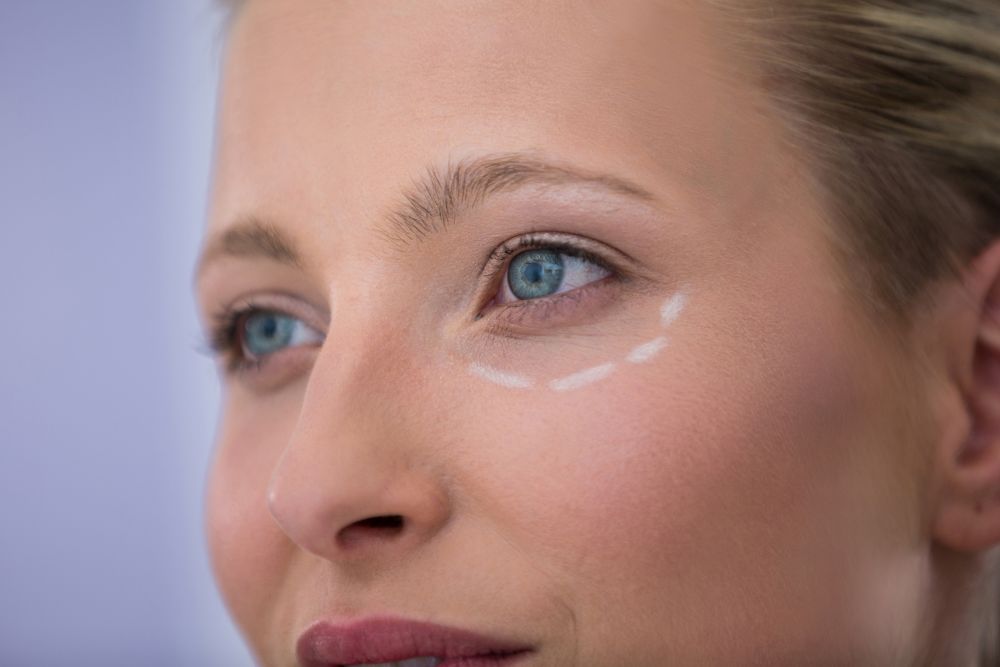
Model image for illustration purposes only. No surgery has been performed.
A few practical points that help:
- Plan roughly one to two weeks of quiet time, with gentle activity only.
- Arrange for someone to take you home on the day of surgery. Travelling by taxi is recommended rather than driving or using public transport.
- Keep your head elevated when resting, as advised in your aftercare instructions.
- Ask for your postoperative instructions in writing so you can follow them over the holidays.
Less sun exposure while your scars settle
The skin of the eyelids is the thinnest on the body, and newly healing skin is sensitive. Strong sunlight can irritate it and may make early scars more noticeable. After upper eyelid surgery, the incision sits within the natural crease of the eyelid, so it is well concealed. Even so, protecting it from the sun in the first weeks helps get the best possible result.
In the UK, winter sunlight is far weaker and the days are shorter, so there is much less to avoid. You are also far less likely to be on a beach holiday or spending long hours outdoors in bright light, which makes sun protection simpler to manage.
UV is never zero, even on a grey day, so the usual advice still applies:
- Wear good sunglasses outdoors, particularly on bright, low-sun winter days and around snow.
- Use sun protection on the surrounding skin once your surgeon says it is safe to do so.
- Follow your aftercare instructions on when to resume normal skincare and make-up.
What to expect if you want to look fresh for the festive season
Winter is a good time for recovery, but it helps to be realistic about timing. Swelling and bruising improve gradually over the first one to two weeks, with further refinement over several weeks, and your final result settles over two to three months.
If you would like the bruising to have settled before Christmas Day or a New Year party, it is sensible to plan surgery with a good margin, rather than the week before. Many patients also choose January or February, when work commitments are often lighter in December, the social calendar may be less busy after the festive rush, and they can heal quietly and look refreshed for spring.
Two things worth discussing at your consultation:
- Dry eyes. Cold wind and central heating can worsen dry eye symptoms. Dr Kang will ask about any history of dry eyes or contact lens wear and advise on lubricating drops if needed.
- Blood-thinning medication. Tell Dr Kang about all regular medication, including anything that thins the blood, as it can affect bruising around the time of surgery.
Planning ahead: what the process looks like
The earlier you start, the more choice you have over dates. A typical pathway at Moorfields Private looks like this:
- Consultation with Dr Kang at Bath Street (EC1V 9LF) or New Cavendish Street (W1G 8TL), where she assesses your eyelids, eye health and medical history and discusses the right technique for you.
- Arranging surgery. Robyn, Dr Kang's practice manager, will talk you through available theatre dates and a clear breakdown of costs, including the hospital facility fee, the surgeon's fee and, where applicable, the anaesthetist's fee.
- Pre-operative assessment with the Moorfields Private nursing team, to confirm you are fit for the planned procedure and anaesthetic.
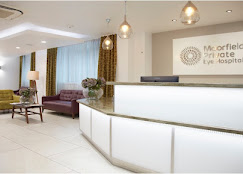
- Surgery at Moorfields Private, City Road, usually as a day case. Upper eyelid surgery can be performed under local anaesthesia, local with sedation, or general anaesthesia in selected cases.
Waiting times vary with demand and the type of surgery, and a date before Christmas cannot be guaranteed. Occasionally there are short-notice theatre dates, so if you have a particular timeframe in mind, mention it when you get in touch. You can read the full step-by-step guide in our article on blepharoplasty at Moorfields Private.
Who might benefit
Eyelid surgery is not about age. It may be worth a consultation if you have:
- Heavy or hooded upper eyelids, or skin resting on the lashes
- Eyelid asymmetry
- Under-eye bags or lower eyelid skin laxity
- A tired or aged appearance that does not match how you feel
- A reduced upper visual field caused by excess skin
You can read more about upper blepharoplasty and lower blepharoplasty, or see Dr Kang's fees on the blepharoplasty cost guide, which starts from £3,950 for upper eyelids, £5,450 for lower eyelids and £7,250 for combined surgery. Your exact fee is confirmed after an in-person consultation.
Frequently asked questions
Is winter really a better time for blepharoplasty?
It is not medically necessary to wait for winter, and surgery can be performed safely all year. Winter simply suits many people because work commitments are often lighter in December, the social calendar may be quieter in January and February, and sun exposure is lower.
Will my eyes look normal by Christmas?
That depends on when you have surgery. Bruising and swelling improve over one to two weeks, and refinement continues for several weeks. Allowing a good margin before an important date is wise.
Do I need to avoid the sun completely?
No, but protect your eyelids with sunglasses and follow Dr Kang's advice on sun protection while the skin heals.
How long do the results last?
Results typically last around 10 years or longer, depending on genetics, skin quality, sun exposure and lifestyle.
Book your consultation
To arrange a consultation, email info@swankang.co.uk or call +44 (0)7353 760 871, or use the contact form on swankang.co.uk.
This article is for general information only and is not personalised medical advice. Suitability for surgery is confirmed at an in-person consultation.